



Natural gas and RNG cogeneration
- Home
- Natural gas and RNG cogeneration
The reliable, high-efficiency solution for energy-intensive sectors.
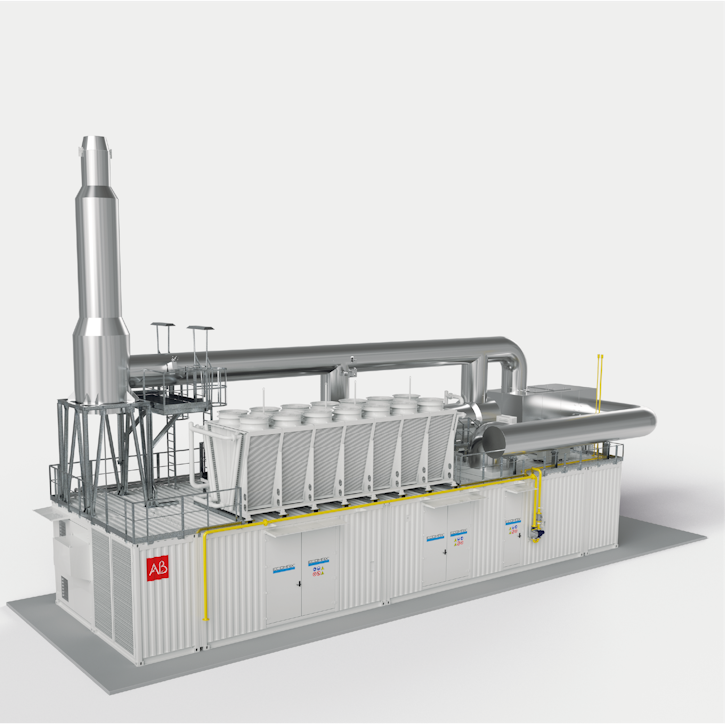
Cogeneration systems, or combined heat and power (CHP), help facilities with high energy demands lower their operating costs, improve efficiency and increase energy reliability.
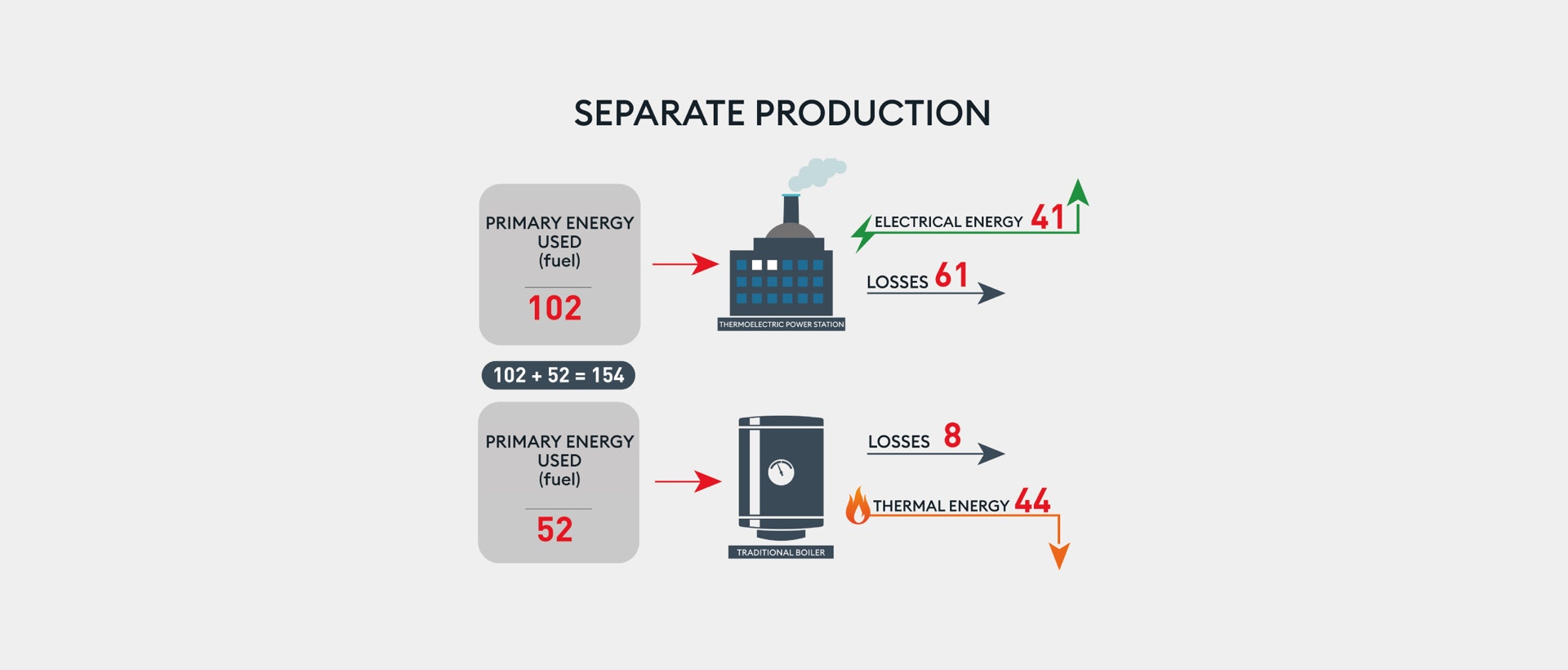
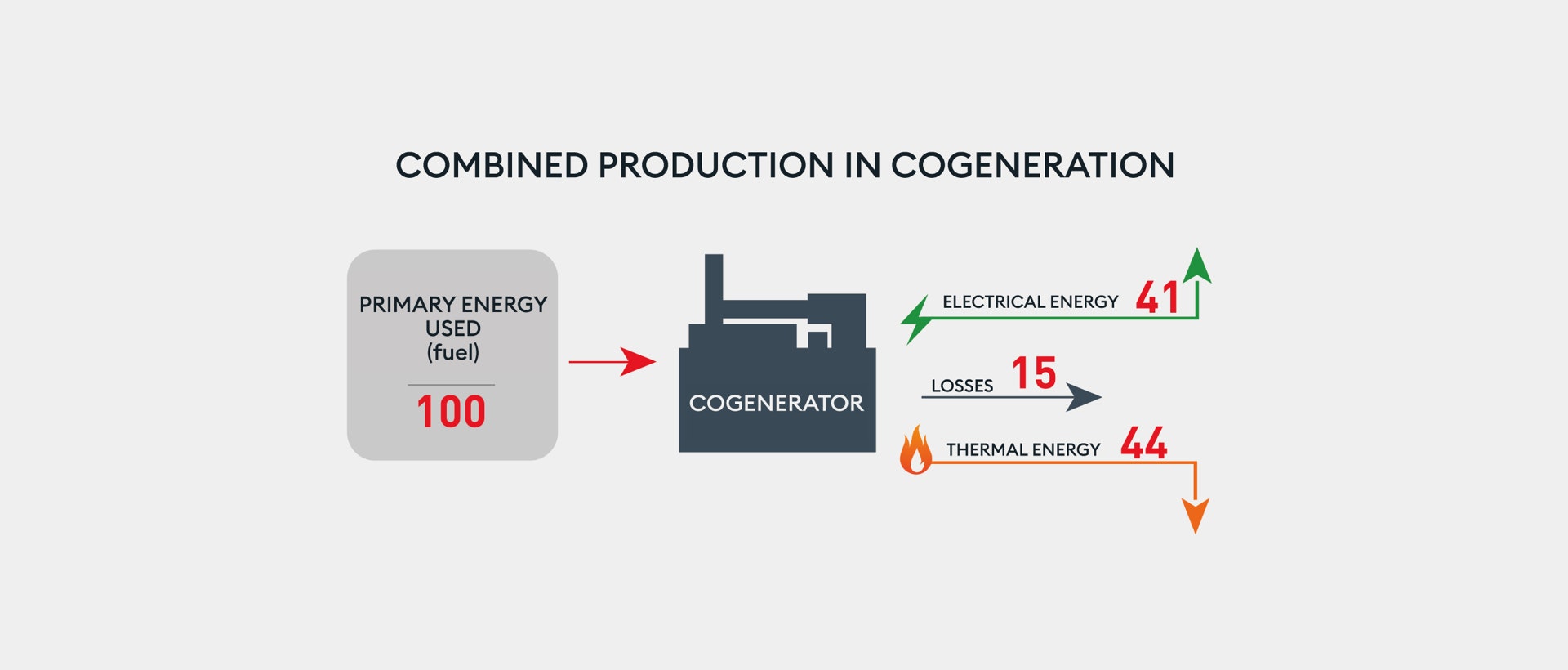
A cogeneration plant simultaneously produces electricity and thermal energy from a single fuel source - natural gas or renewable natural gas (RNG) - within an integrated system. By capturing and reusing heat that would otherwise be wasted, CHP systems can achieve efficiencies of up to 85%, reducing CO₂ emissions compared to separate heat and power generation.
The result is continuous on-site energy production at lower cost and greater resilience.
Products





How a cogenerator works
A cogeneration plant uses a natural gas or RNG engine to generate low-voltage electricity, which is then transformed into medium-voltage electricity.
Heat is recovered from:
the engine cooling system, using a plate-type heat exchanger that obtains high-temperature water;
the exhaust gases, which, being close to 400°, can be used to produce hot water, superheated water, steam or diathermic oil through a boiler, or can be used pure in the process.
Energy produced
Electric power
to be used on-site (behind-the-meter) or exported to the grid
Thermal energy
for the production of:
hot water
superheated water
steam
diathermic oil
cold water (CCHP)
Sectors of application
Airports
Ceramic and brickwork industry
Chemical and pharmaceutical industry
Data processing centers
Engineering companies
Food & Beverage Industry
Greenhouse
Hospitals
Hotels
Textile industry
Paper mills
Plastic industry
Shopping centers
Universities
Industry
Download the Cogeneration Information Guide to learn more
