


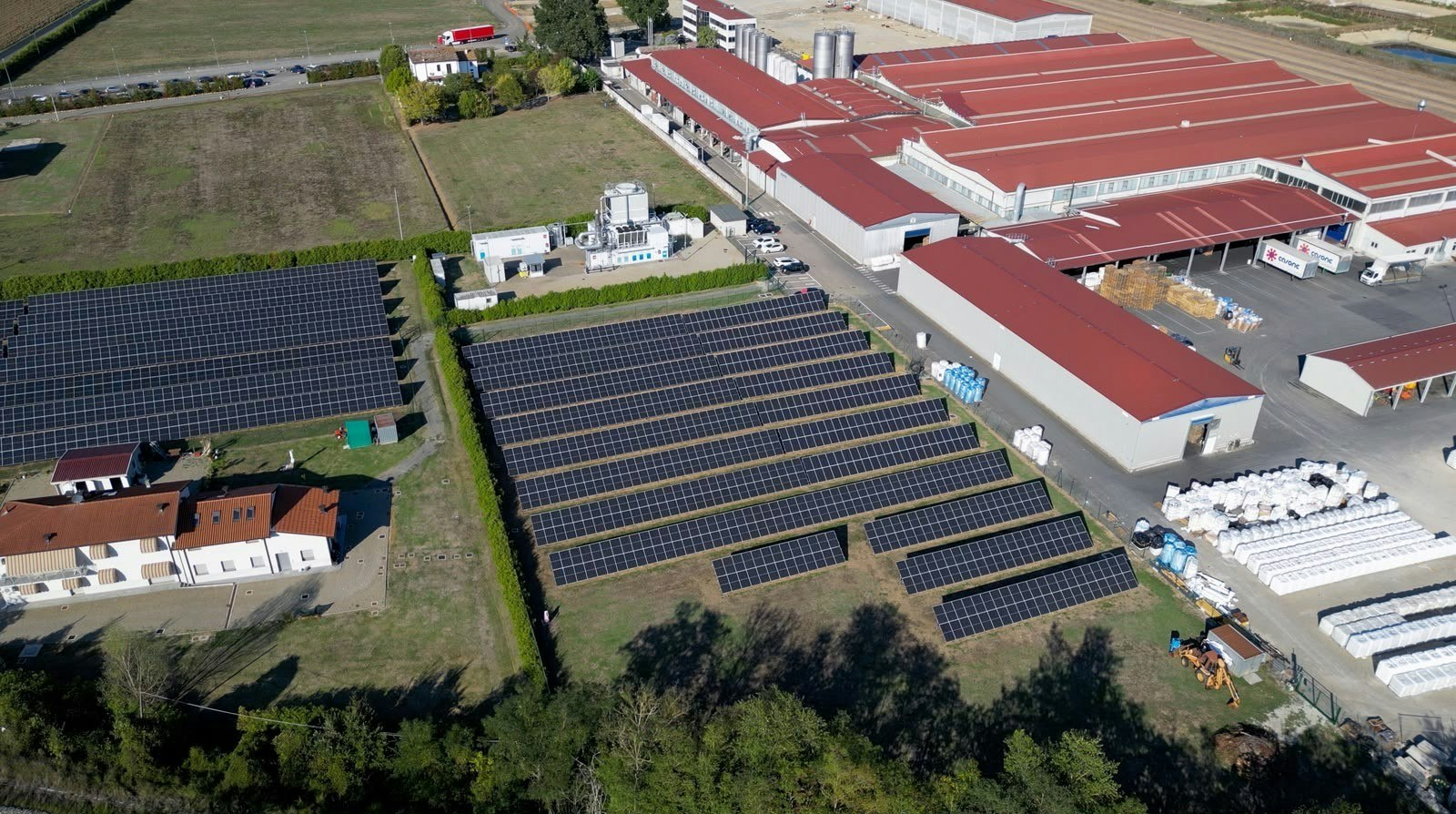
Integrated energy system
- Home
- Integrated energy system
The integrated energy system for decarbonization
Today, energy strategies no longer focus exclusively on economic efficiency, but pursue a broader objective: reducing environmental impact, cutting greenhouse gas emissions and limiting primary energy consumption.
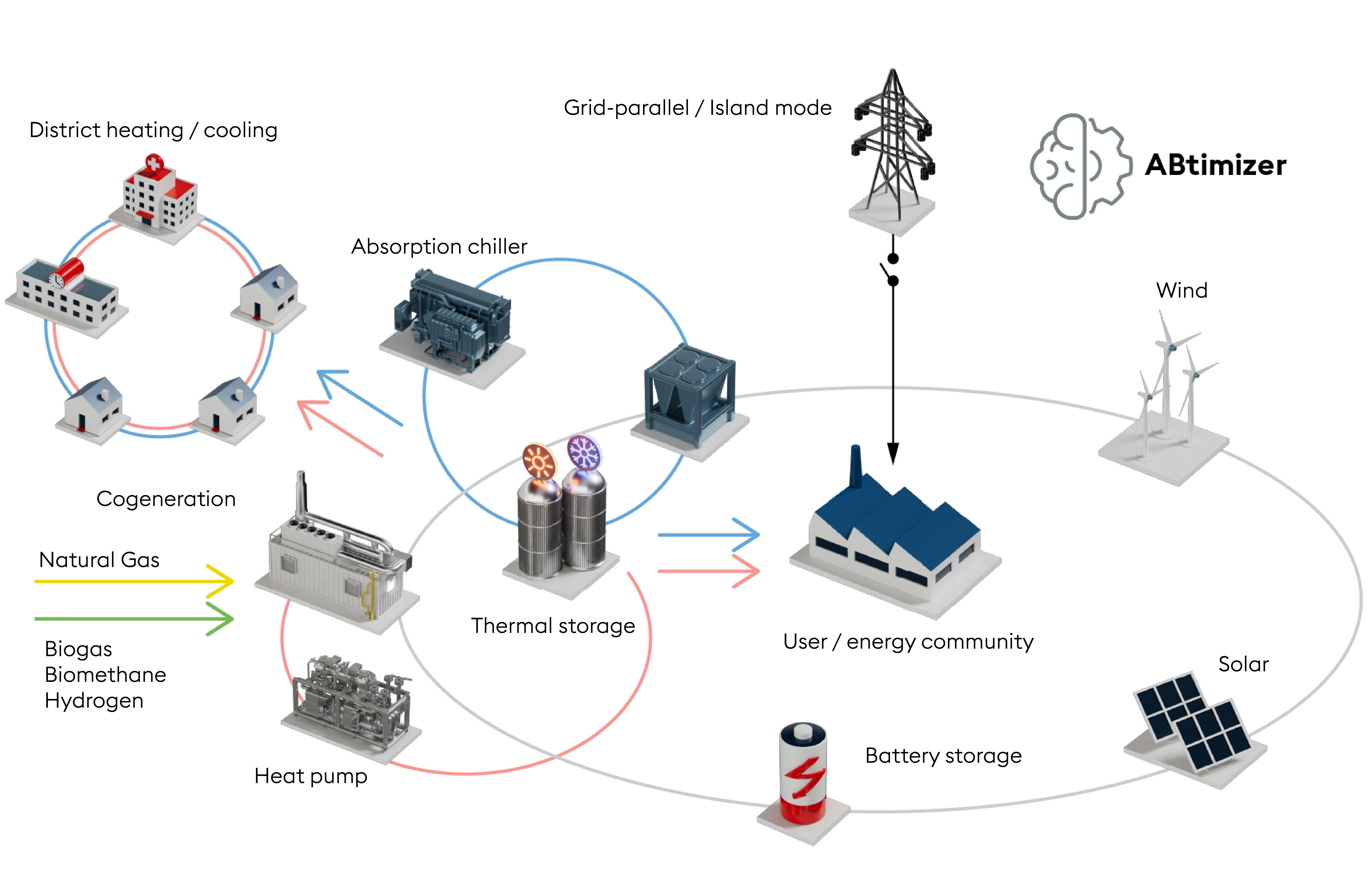
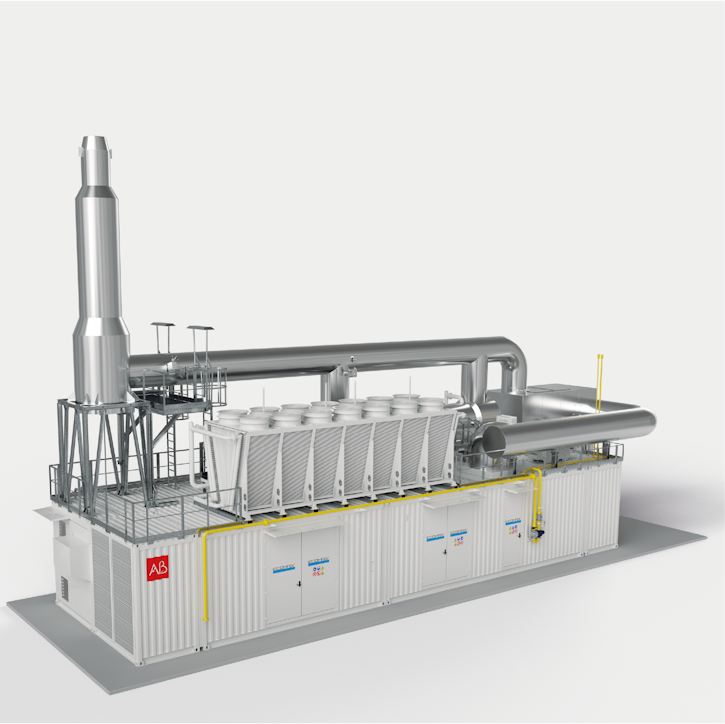
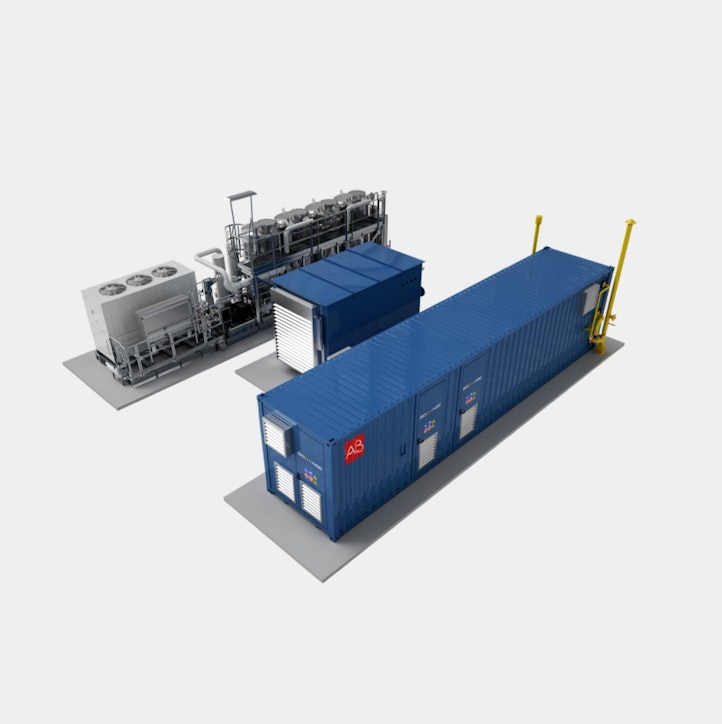
Cogeneration continues to play a central role thanks to its ability to ensure efficiency, flexibility and operational continuity. Today, however, its value no longer lies exclusively in the performance of the individual plant, but in its ability to integrate with renewable energy sources, storage systems, heat pumps and decarbonized fuels, helping to optimize the energy, economic and environmental performance of the entire system.
At the same time, the decarbonization pathway is making the use of biofuels and low-carbon energy carriers, such as biomethane and hydrogen, increasingly strategic. Modern cogeneration plants are already designed to accommodate this evolution, enabling a progressive reduction in emissions and supporting the achievement of sustainability and regulatory compliance targets.
In this scenario, no single technology can effectively address the challenges of the energy transition on its own. The real value comes from integrating different solutions and from the ability to coordinate their operation dynamically, according to the operational, energy and environmental requirements of each production site. For this very reason, the distinguishing factor is not the technology itself, but the ability to identify, design and manage the most effective energy mix for each specific application.


AB is the single partner for the energy ecosystem
Thanks to a comprehensive portfolio of solutions and proven expertise, AB acts as a single point of contact for analyzing energy needs, simulating possible scenarios, identifying the optimal technology mix, and managing the entire energy ecosystem in an integrated way. This approach makes it possible to maximize efficiency, sustainability, resilience, and competitiveness, supporting customers throughout their energy transition journey.
How energy integration works
The goal is to dynamically optimize the production, conversion, storage, and use of energy, maximizing the overall efficiency of the system and making the most of every available resource.
Non-dispatchable renewable energy sources, such as photovoltaics, are managed intelligently to maximize their potential, while storage systems make it possible to store the energy produced during periods of surplus and make it available when needed, increasing the site's energy autonomy and reducing dependence on the grid.
At the same time, dispatchable technologies, such as cogeneration and biogas- or biomethane-fueled plants, ensure operational continuity and production flexibility. Cogeneration, for example, can modulate its operation according to the availability of renewable energy: when photovoltaic production is high, the cogeneration unit prioritizes meeting thermal energy demand, while during periods of lower solar generation it also contributes to electricity production.
The integration of different technologies also makes it possible to maximize the use of available energy flows.
One example is the combination of cogeneration and heat pumps, which makes it possible to recover and utilize the low-temperature heat generated by engines, transforming it into useful thermal energy for industrial processes and further increasing the overall efficiency of the system.
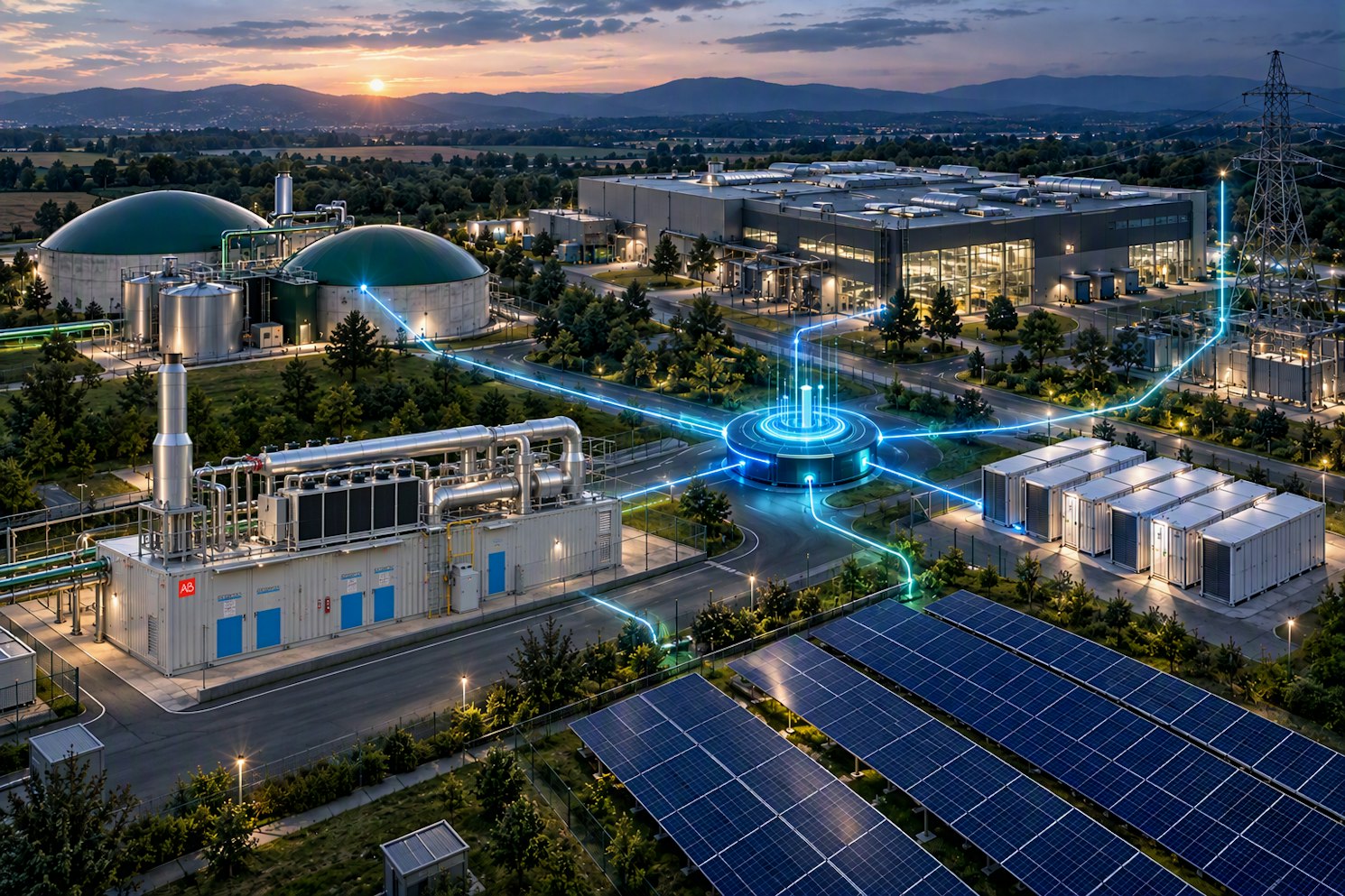
The result is an intelligent, flexible, and resilient energy ecosystem, capable of adapting in real time to the company's needs, reducing primary energy consumption, containing operating costs, accelerating the decarbonization process, and improving overall environmental performance.
CASONE SPA


Benefits




Industry
Last updated: 21 September 2026
